EEG
Continuous neurological monitoring
Uninterrupted acquisition of brain signals with clinical quality, even in highly complex environments such as neonatal ICUs.
How it works
Continuous neuromonitoring platform integrating EEG, physiological signals, and artificial intelligence, developed from research at the Brain Institute (ICe), UFRN to support real-time clinical decisions.
Selected for the Global Deep Tech Pioneers Radar 2026 · Hello Tomorrow
Incubated at Metrópole Parque (IMD/UFRN)
Advanced to the second phase of the Centelha 3 RN programme (FINEP · Sebrae/RN · FAPERN)
NeuroMate integrates three layers to support clinical teams from the neonatal ICU to chronic neurological follow-up.
Uninterrupted acquisition of brain signals with clinical quality, even in highly complex environments such as neonatal ICUs.
How it worksAlgorithms integrate EEG, cardiorespiratory signals, temperature and environmental context to deliver high-resolution analysis.
Models and metricsFocused on preterm neonates, ICU newborns and chronic neurological follow-up, with clear reports for the care team.
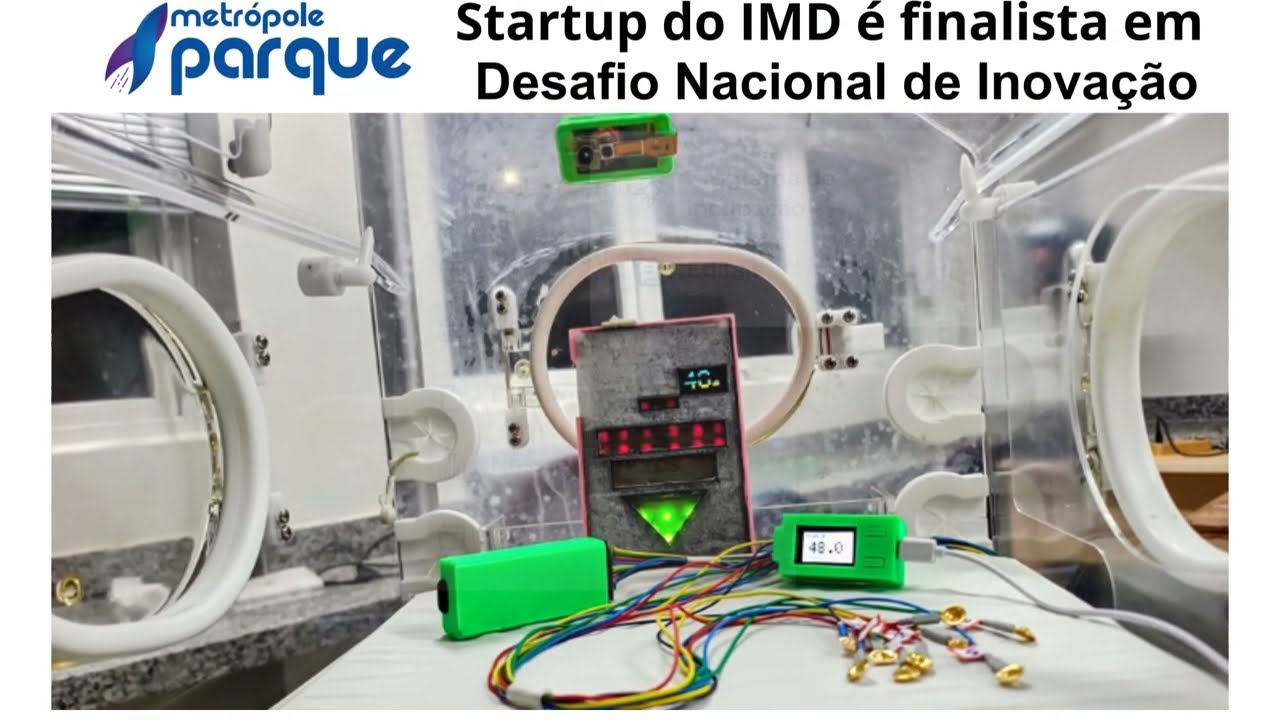
Use cases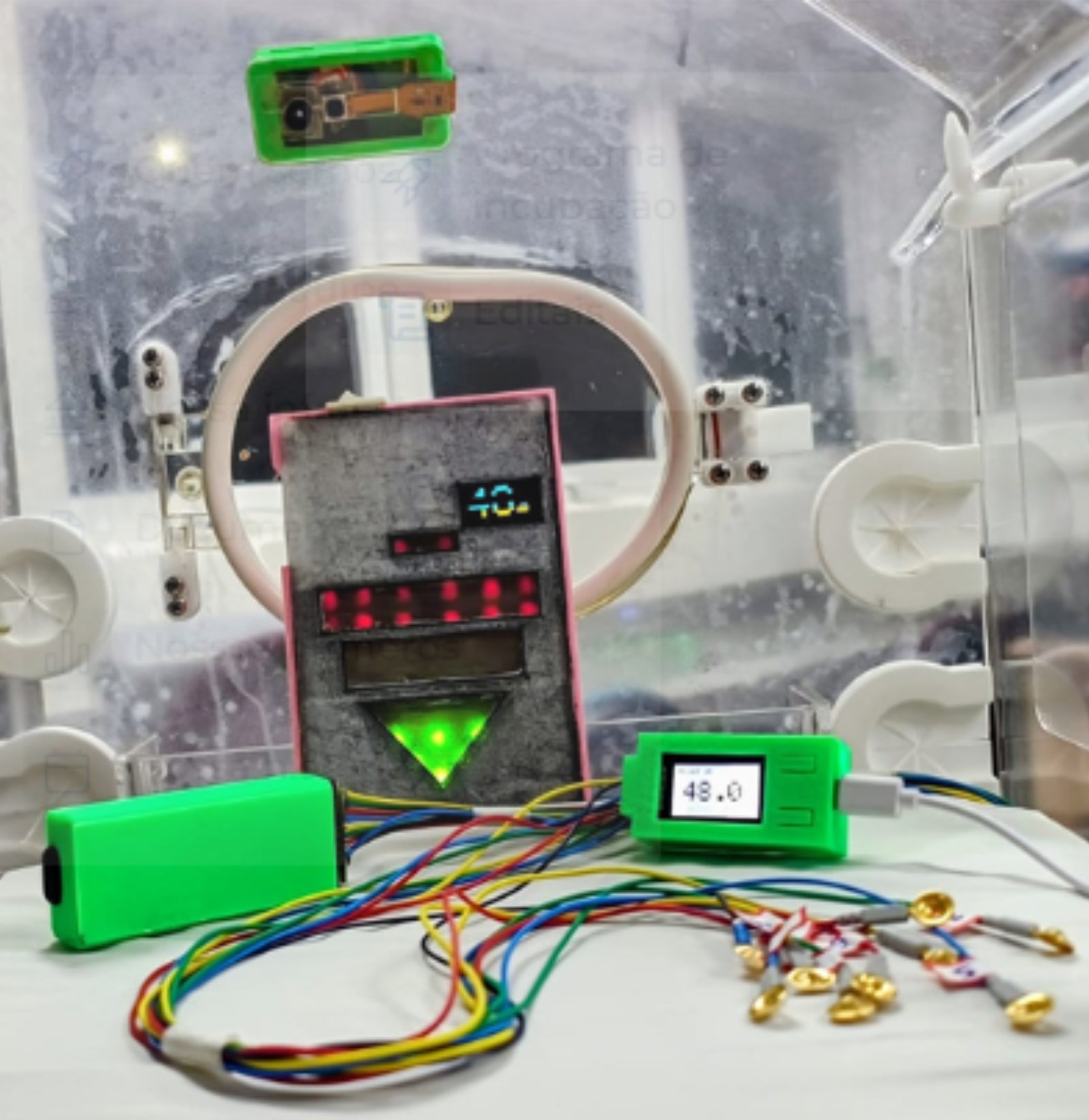 Prototype · Neonatal ICU
 Continuous neuromonitoring is still a privilege of a few ICUs. Our mission is to cut the cost, open the code and universalize access.
Research conducted in partnership with the Brain Institute at UFRN and partner institutions: neuroscience, biomedical engineering, neonatology.
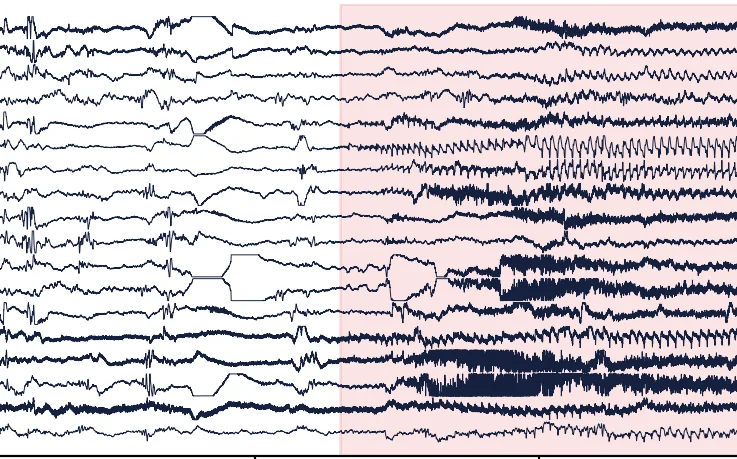
Neonatal EEG seizure classification with compact networks, validated patient by patient across the 79 newborns of the Helsinki corpus, aimed at running on embedded hardware at the bedside.
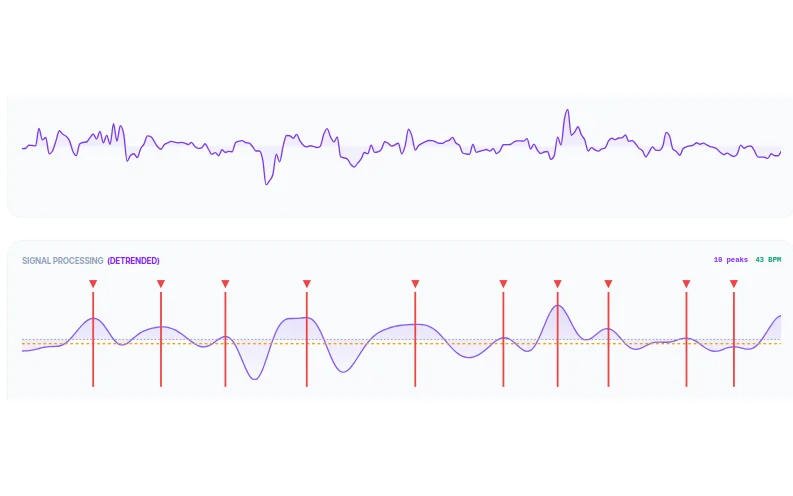
Respiratory rate estimated from video through thoracoabdominal segmentation and optical-flow analysis, with no electrode or belt on the infant.
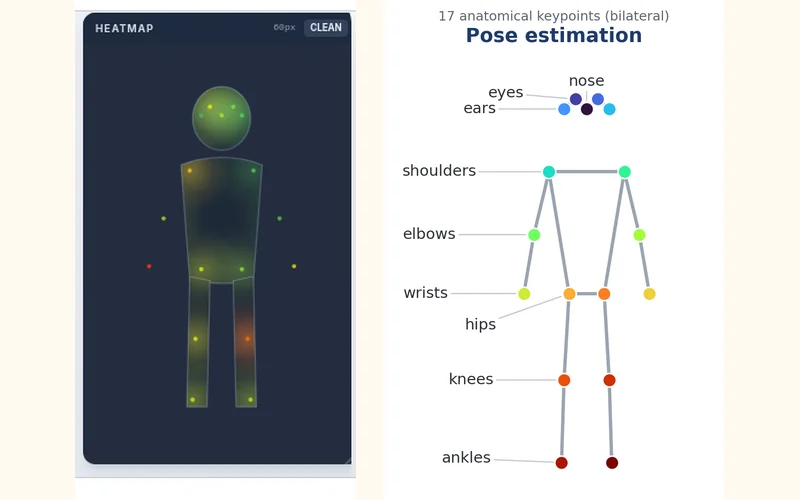
Pose estimation on NICU video to describe activity and posture through the stay, the basis for reading spontaneous behaviour.
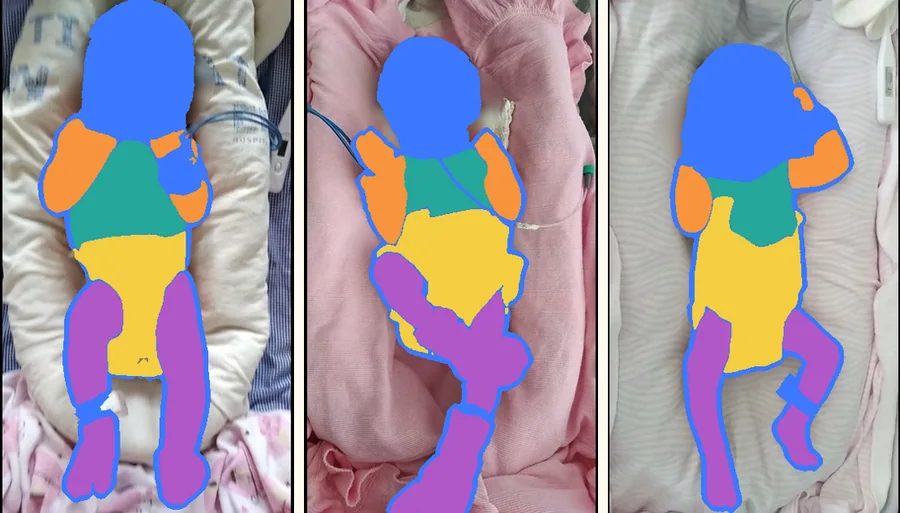
Whole-body and body-part segmentation with promptable foundation models, delimiting the region of interest the other signals come from.
Videos, posts and updates from the NeuroMate project and research partners at the Brain Institute, UFRN.